Documentary Proposal
“Finding Home in the Dark”
Hi there,
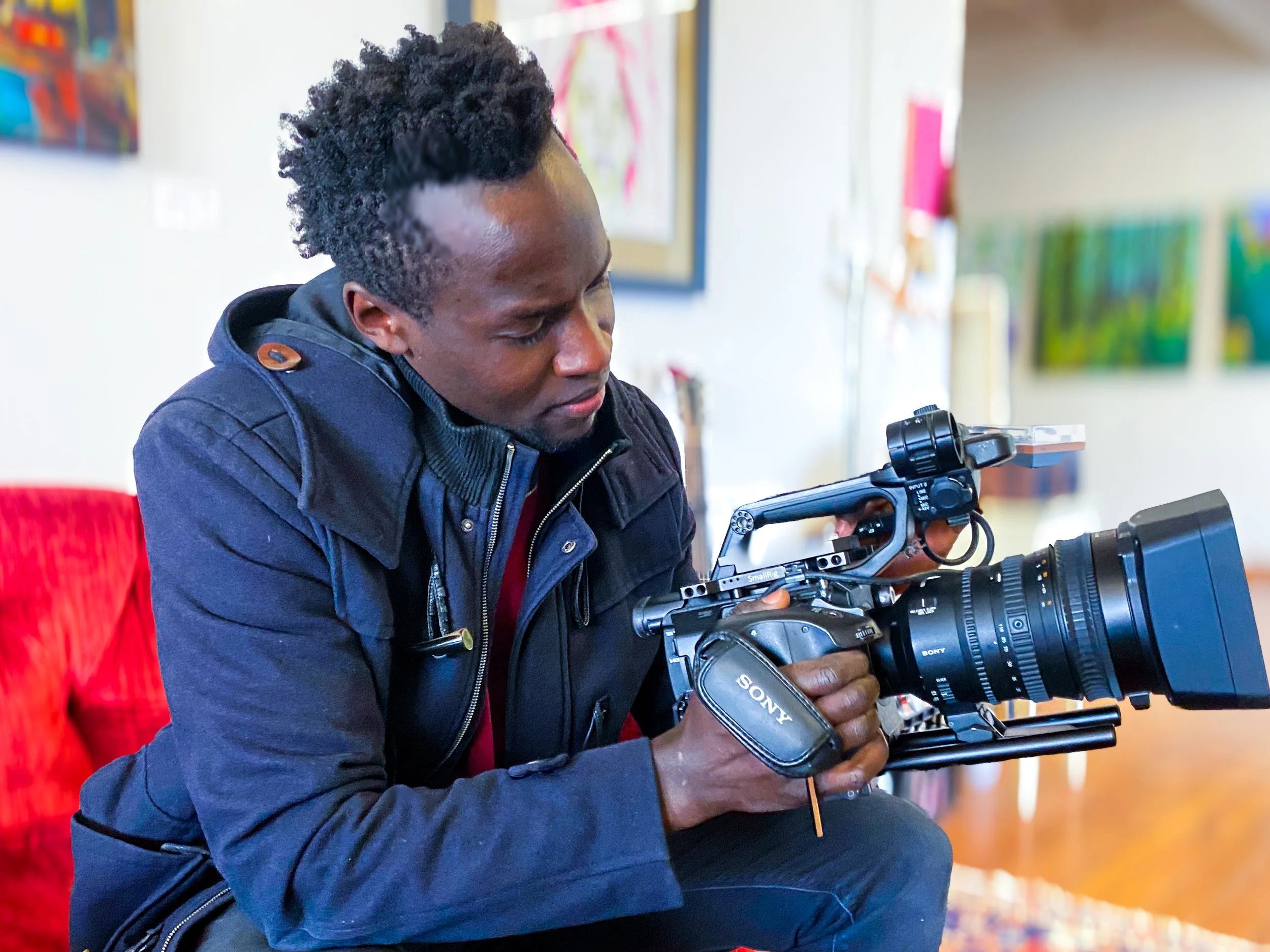
I’m Jonah Wafula-Card, a documentary filmmaker dedicated to telling human-centered stories about people, culture, and the natural world. Next year, I’ll be joining a research team in Peru’s Andean mountains to document their work in Manú National Park, one of the most biodiverse places on Earth.
Jonah Wafula-Card
Producer / Director
Synopsis
“Finding Home in the Dark” follows an international research team as they return to Peru’s Manú National Park—one of the most biodiverse places on Earth—to revisit sites first surveyed more than 25 years ago. Their mission is to understand how wildlife has shifted after decades of accelerating climate change.
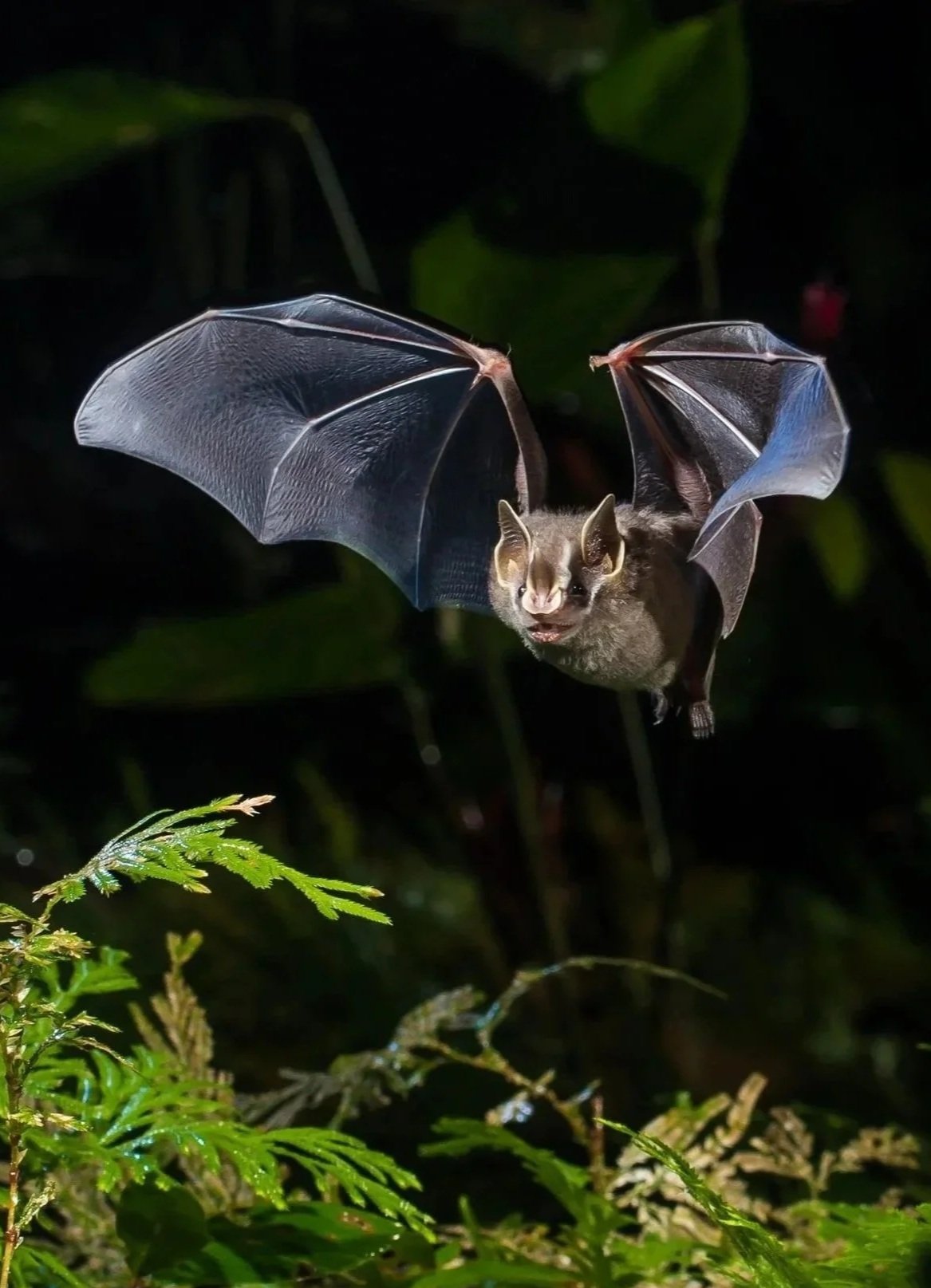
Dr. Anderson Feijó, Assistant Curator of Mammals at Chicago’s Field Museum of Natural History, and Dr. Amanda Grunwald, a postdoctoral researcher at the museum, lead the bat-focused surveys. They are joined by three graduate students whose work spans bat social communication to adaptation in extreme environments. The team also collaborates with scientific artist Sienna Cenere, to explore how art and science together can reveal the hidden stories of the natural world.
The film follows the full arc of this two-year journey, from rugged fieldwork in the Andes and laboratory analysis at the Field Museum to international conservation collaborations and the creative transformation of data into art. It blends candid interviews with researchers and conservation stakeholders, sweeping aerial views of Manú’s landscapes, archival footage from historic biodiversity surveys, and scenes from the studio where scientific findings become visual storytelling. The project culminates in a SciArt exhibition at the Climate Action Museum in Chicago, inviting the public into an immersive gallery experience and lecture series.
As a filmmaker, I grew up navigating loss, displacement, and the search for belonging, experiences that shaped how I understand what it means to lose a home. Today, that vulnerability is mirrored in the natural world. Through my lens, this story becomes both scientific and deeply human.
At a time when global crises can feel overwhelming, “Finding Home in the Dark” offers a message of hope. It highlights the power of international and interdisciplinary collaboration, the people working to protect threatened ecosystems, and the extraordinary bats whose lives unfold in the Andean night. The film invites viewers to see science through a more personal, empathetic lens, and to recognize how climate change connects us all, and how loss, whether of a home, a species, or a place, reverberates far beyond the moment it occurs.